Does Islington Council need permits for Highbury removals?
If you are planning a move in Highbury, the big question is often not the boxes or the stairs. It is whether Islington Council needs permits for Highbury removals and, more importantly, what kind of permit might actually apply on the day. The short answer is: sometimes yes, sometimes no. It depends on where the vehicle will stop, how long it will stay, and whether you are using a suspension, loading bay, or a controlled parking space. That can sound a bit fiddly - because it is - but once you break it down, the process becomes manageable.
This guide explains the basics in plain English, so you can plan your move without last-minute panic. You will also find practical steps, common mistakes, and a realistic checklist to help you decide what to do before moving day arrives. Truth be told, a small bit of planning saves a lot of stress when the van is outside and the hallway is full of half-taped boxes.
Why Does Islington Council need permits for Highbury removals Matters
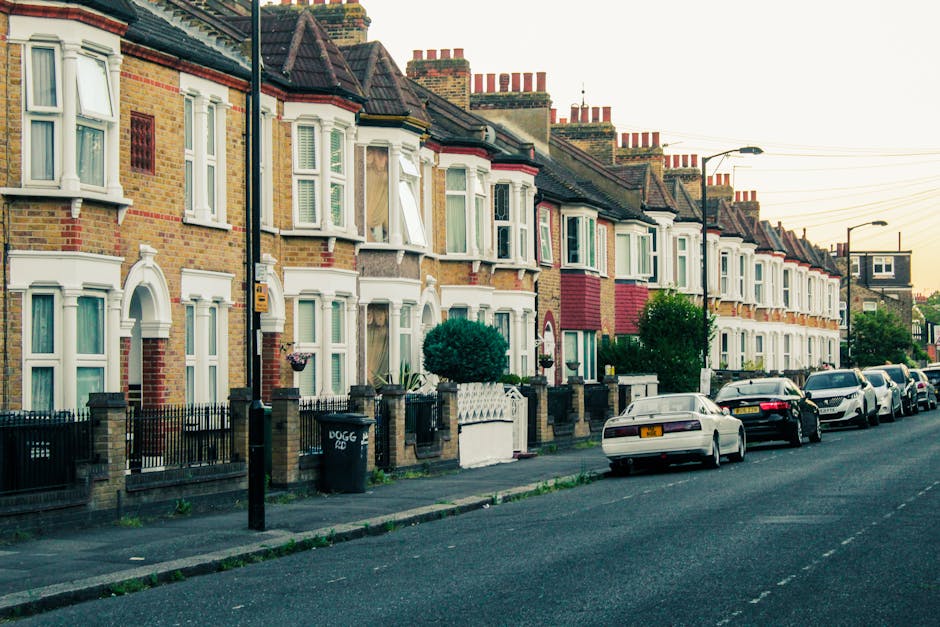
Parking and loading are the make-or-break details of many local removals. In Highbury, streets can be narrow, parking can be tightly controlled, and a removal van can easily block access if it is parked in the wrong place. That is why permit questions matter so much. You are not just trying to get the sofa out of the flat; you are trying to do it without causing a parking issue, upsetting neighbours, or losing precious time while the driver circles the block.
For most people, the real concern is simple: Can the van stop close enough to the property to load and unload safely? If the answer is no, then a permit, bay suspension, or some other parking arrangement may be needed. That is especially true in busy residential streets, near shared bays, or where loading restrictions are already in place.
It also matters because removals are time-sensitive. When a move starts late, the rest of the day can unravel quickly. Lift bookings, keys, cleaners, childcare, and storage drop-offs all start to stack up. If you are combining moving day with house removals or a move between flats, the parking plan is not a side issue. It is part of the move itself.
A sensible removals plan also helps protect the property and your belongings. When the vehicle is positioned correctly, movers can carry items more efficiently, with less distance between the door and the van. Fewer trips. Less strain. Less chance of that awkward moment where a chest of drawers catches on a curb in the rain. Not ideal.
How Does Islington Council need permits for Highbury removals Works
The basic idea is straightforward: if your removals vehicle needs to use a parking space, loading bay, or restricted part of the road in a way that is controlled by the council, you may need permission before the move. In practice, the exact requirement depends on the location, the time of day, and the type of vehicle being used.
There are a few common scenarios:
- Loading only: In some places, a van can stop briefly to load or unload if the restrictions allow it.
- Suspended bay or reserved space: If you need to keep a bay clear, a suspension or temporary reservation may be required.
- Controlled parking zone streets: Some streets have rules that affect stopping, waiting, or parking during certain hours.
- Large vehicle access: Bigger removal lorries may need more space than a standard van, which can change the parking plan completely.
That is why people searching for permit guidance often end up asking the same thing in different words: do I need permission, or can the van just stop outside for a bit? The honest answer is that you should never assume. A quiet cul-de-sac in the morning may look simple, but a street that seems empty can still be restricted. The signs matter. So do any local rules attached to the road markings.
If you are using a service such as man and van or booking full removals, ask early whether the vehicle needs a controlled stopping point. A good removals team will usually want to know about access before they arrive. It is not fussiness; it is how they avoid wasted time and awkward parking problems.
In some cases, the move may be easier if you use a smaller vehicle and split the load. That is where small removals can be surprisingly useful. A smaller van may fit better on a tight Highbury street and reduce the need for complicated parking arrangements. Simple, but effective.
Key Benefits and Practical Advantages
Getting the permit question right does more than keep the council happy. It makes the whole move smoother.
- Better access: The van can park close to the property, which reduces carrying distance.
- Less delay: No last-minute scramble to find somewhere legal to stop.
- Lower risk of fines or complaints: You are less likely to end up in a parking dispute.
- Safer moving day: Fewer long carries mean less chance of damage or injury.
- More predictable timings: Movers can work to a proper schedule instead of improvising on the pavement.
There is another benefit that people overlook: calmer decision-making. Once the parking part is sorted, you can focus on the stuff that really needs your attention, like fragile packing, keys, and making sure the kettle is in the "open first" box. That alone can make the day feel more under control.
If your move includes storage, the planning becomes even more valuable. Many people moving out of a Highbury flat do a two-stage move: first into storage, then into the new property when the timing works. In that case, services such as removals and storage can be a practical way to reduce pressure if keys, completion times, or decorators delay the final handover.
And if the job is more office-based than domestic, access planning matters just as much. A move involving office removals can involve IT kit, furniture, and timed access restrictions, so parking control becomes part of business continuity rather than just convenience.
Who This Is For and When It Makes Sense
This question is most relevant if you are moving in or around Highbury and any of the following apply:
- your street has controlled parking or loading restrictions
- the removals vehicle needs to stop close to the entrance
- you live in a flat or upper-floor property without easy private access
- you are moving at a busy time of day
- the move involves a larger van or lorry
- you need to protect a bay or loading space from being taken by other drivers
It is especially relevant for people moving out of flats, maisonettes, or houses on busier London streets. A ground-floor home with private driveway access is a very different story from a top-floor flat on a narrow street with residents' bays. One can be straightforward. The other can be... less so.
This also makes sense if you are moving with a tight timeline. Students, renters between tenancies, and office tenants with fixed handover dates often have less room for delay. If that sounds like you, services like flat removals or student storage may fit your situation better than a one-size-fits-all approach.
Small business owners and home workers should also think about access in advance. If paperwork, archived files, or IT equipment need moving carefully, document storage or business storage can buy breathing space while you sort the logistics. Sometimes the smartest move is to move less at once. There, I said it.
Step-by-Step Guidance
Here is a practical way to handle the permit question without overcomplicating it.
- Check your street conditions early. Look at nearby signs, bays, and any loading restrictions. Do not assume the space outside your home is fair game just because it looks empty.
- Measure the vehicle situation. Think about the size of the van, where it would stop, and how far items would need to be carried.
- Identify the loading point. Decide whether the vehicle can use a loading bay, a legal stopping place, or a suspended bay if one is arranged.
- Speak to your removals provider. Confirm whether they need a van permit, extra access time, or a smaller vehicle.
- Book any required parking arrangement in advance. Last-minute arrangements are where people get caught out. That bit matters.
- Plan the carry route. Check for steps, narrow hallways, shared entrances, or lift restrictions.
- Prepare for the day before the van arrives. Boxes labelled, items disassembled, walkways clear, and keys ready.
A small but useful tip: if your move is happening early in the morning, the street may feel quieter and easier to manage, but rules still apply. Quiet does not mean unrestricted. It just means fewer coffee cups in hand when the decision is made.
If your move is more complex than expected, a professional mover can often suggest the most practical route. That is one reason people book local removals; local knowledge often saves more time than brute force ever could.
Expert Tips for Better Results
Over the years, the best Highbury moves tend to share the same habits. Nothing flashy. Just good preparation.
- Build in a parking buffer. If a space seems possible, still allow time for someone else to be there first. London has a talent for surprise.
- Choose the right vehicle size. A slightly smaller van can be a smarter choice than squeezing a larger vehicle into a tight street.
- Pack with carry distance in mind. Heavier items should be accessible and not buried under soft goods.
- Protect communal areas. Corridors, lifts, and doorframes take the brunt of rushed moving day traffic.
- Keep key items separate. Documents, chargers, medicines, and keys should travel with you, not in the back of the van.
One simple trick that helps more than people expect: place the first-load boxes closest to the door the night before, if you can do that safely. It means the loading starts smoothly and nobody is tripping over lamp shades at 8 a.m. That sort of thing sounds tiny, but on moving day tiny things become big things very quickly.
If packing is not your favourite task, which, to be fair, it rarely is, then a packing services option can take some of the pressure off. Good packing is not just about speed. It is about making the load safer, easier to stack, and less likely to shift in transit.
And if you need somewhere secure while you wait for completion day or building work to finish, secure storage is often a sensible bridge. Sometimes that extra week or two makes everything feel much less chaotic.
Common Mistakes to Avoid
Most removal-day problems are preventable. The common mistakes are usually not dramatic, just expensive or annoying.
- Leaving parking checks until the day before. That is how people end up doing a weird van shuffle while the clock runs down.
- Assuming the driver can "just stop outside". If the street is controlled, assumptions can become fines or delays.
- Ignoring bay suspensions or loading restrictions. A legal stopping point is not the same as a convenient one.
- Booking the wrong vehicle size. Too large can create access problems; too small can create extra trips.
- Forgetting about the building, not just the street. Stairwells, lifts, and communal entrances can matter as much as road access.
- Not checking insurance and handling procedures. Removals should be careful, but accidents are still possible.
Another easy mistake is assuming storage and removals are separate problems. In real life, they are often linked. If the new place is not ready, or you are decluttering before the move, choosing self storage or short-term storage can help the whole plan come together cleanly.
For larger households, house removals with proper planning usually work out better than trying to do everything in one frantic push. Less chaos. Fewer repeated trips. And fewer moments where everyone is standing in the doorway wondering who packed the toaster.
Tools, Resources and Recommendations
You do not need a complicated toolkit, but a few practical aids make life easier.
- Printed move plan: Useful for timing, room labels, and who is responsible for what.
- Floor plan or rough sketch: Helps movers place items sensibly in the vehicle and at the destination.
- Measuring tape: Handy for checking whether furniture will fit through doors, stairs, or lifts.
- Box labels and coloured tape: Simple, but surprisingly effective when the adrenaline kicks in.
- Contact list: Keep the removals team, building manager, and key people easy to reach.
For timing and pricing questions, it is worth reviewing pricing and quotes before you book. Transparent pricing is useful because parking complications, access limits, and storage needs can change the scope of a move. No one enjoys surprise costs. Absolutely no one.
If you want to understand how a provider handles customer data, payments, and general service terms, it can also help to review pages such as payment and security and terms and conditions. These are not glamorous reads, admittedly, but they do show how the service is run.
For sustainability-minded moves, especially if you are decluttering before relocating, recycling and sustainability is worth a look. A move often creates more cardboard and unwanted items than expected, and it is nice when those materials are dealt with responsibly.
Law, Compliance, Standards, or Best Practice
Where road space is controlled, the safe assumption is that you must comply with the local parking rules that apply on the street. That may mean observing loading restrictions, respecting marked bays, and arranging permission if a space needs to be reserved. Because council rules can vary by road and by time of day, it is better to verify the exact situation rather than rely on general advice.
Best practice in removals is to treat the parking plan as part of the job, not a separate admin task. Professional movers usually think in terms of access, vehicle positioning, property protection, and risk reduction. That is normal. It is also sensible.
There is also a basic safety angle. A badly parked van can force movers to carry heavy items farther, cross busier footways, or work around passing traffic. That increases the chance of injury or damage. Good planning reduces those risks before they start.
If you are booking a move, it is sensible to check whether the company has clear guidance on safety and insurance. A page like insurance and safety should give you a better feel for how the team approaches risk, and whether they explain their responsibilities clearly. You are not being difficult by asking. You are being sensible.
For business customers, similar principles apply to files, inventory, and work equipment. A move involving office storage or office removals may need stricter timing and access control because the building or landlord rules can be tighter than at home.
Options, Methods, or Comparison Table
Different moves need different approaches. The right option depends on access, vehicle size, timing, and how much flexibility you have. Here is a simple comparison to help you think it through.
| Option | Best for | Pros | Watch-outs |
|---|---|---|---|
| Standard van with nearby legal parking | Smaller household moves with easy street access | Simple, cost-effective, usually quick | May not suit controlled zones or narrow streets |
| Reserved or suspended space | Busy streets and properties with limited access | Predictable loading area, less walking distance | Needs advance planning and may involve local rules |
| Smaller vehicle / split load | Tight Highbury roads, flats, or restricted streets | Easier access, less stress on parking | May take longer if the load is large |
| Move with storage | When dates do not line up neatly | Flexible, reduces pressure, good for staging | Needs extra coordination and planning |
For many people, the best answer is not a single option but a combination. A smaller van, a short-term storage stop, and a tidy loading plan can be a much better fit than trying to force a big lorry into a street that was never designed for it. Common sense wins again, annoyingly enough.
Case Study or Real-World Example
Imagine a renter moving from a second-floor flat near a busy Highbury road. The street has parking controls, a few resident bays, and not much room for a large vehicle to linger. On paper, the job looks simple: load the furniture and go. In reality, the vehicle cannot park just anywhere, and there is no private driveway to use.
In that situation, the move may need one of three approaches. The first is a smaller removals vehicle that can use the nearest legal stopping point. The second is arranging some kind of parking permission or bay control in advance. The third is moving part of the load into storage first so the final move is lighter and faster.
Now picture the same move handled late, with no parking checks. The van arrives, then circles for ten minutes. The crew starts carrying items from farther away than expected. A neighbour needs access to park. Time slips. Tension rises. Nobody wants that on a Tuesday morning with a sofa half out the door.
That is why local removals planning matters so much. A service like household storage can also make a difference if the homeowner has surplus furniture or a gap between dates. You can stage the move rather than forcing it all into one stressful run.
In our experience, the calmest moves are the ones where people decide in advance what can be carried, what can be stored, and where the van will actually stand. Not glamorous. Very effective.
Practical Checklist
Use this checklist before moving day:
- Check whether your street has parking controls or loading restrictions
- Confirm where the removals vehicle can legally stop
- Ask whether a permit, bay suspension, or reserved space is needed
- Choose the right vehicle size for the road and the load
- Tell the removals team about stairs, lifts, access codes, and tight turns
- Book packing help if you are short on time
- Keep valuables and essential documents separate
- Decide whether any items should go into storage first
- Clear walkways and protect fragile items
- Keep your phone charged and your key contacts handy
If your move involves furniture you are not ready to place in the new property, consider furniture storage rather than crowding every room on day one. It can make settling in feel far less overwhelming. And honestly, arriving to a less cluttered home just feels better.
Conclusion
So, does Islington Council need permits for Highbury removals? In many cases, the real answer is that a permit or parking arrangement may be needed if your removal vehicle must stop in a controlled or restricted place. The safest approach is to check the street conditions early, confirm access with your removals provider, and treat parking as part of the move plan rather than an afterthought.
Highbury moves can be smooth when the logistics are handled properly. They can also become surprisingly messy when parking is ignored. The good news is that this is one of the easiest parts of the move to get right once you know what to look for. A little preparation goes a long way, and it usually saves time, money, and a fair bit of stress.
Get a free quote today and see how much you can save.
And if you are still unsure, that is completely normal. A good moving plan starts with good questions, and this is one of the most useful ones you can ask before the first box is lifted.
Frequently Asked Questions
Do I always need a permit for removals in Highbury?
No, not always. It depends on where the van will park, whether the street is controlled, and how long the vehicle needs to stop. If the area is unrestricted and the vehicle can stop legally, a permit may not be necessary.
What kind of permit might be needed for a house move?
It could be a parking permit, a loading bay arrangement, or a temporary suspension of a bay. The right option depends on the exact street conditions and the size of the vehicle.
How far in advance should I check parking for my move?
As early as possible. A few days is often not enough if your street needs special arrangements. Early checking gives you room to change the vehicle size or plan storage if needed.
Can a removals van stop outside my flat just for loading?
Sometimes yes, sometimes no. It depends on local restrictions, the road markings, and the time of day. Never assume a brief stop is automatically allowed.
Do smaller vans make permit issues easier?
Often they do. Smaller vehicles can fit into tighter spaces and may be easier to position legally on a narrow street. That said, you still need to check the rules that apply.
What if my street has no available parking on moving day?
That is when planning matters most. You may need to book a reserve space, use a smaller vehicle, or stage items through storage so the move stays manageable.
Is it better to use storage if I have limited access?
Very often, yes. If access is awkward or the dates do not line up neatly, storage can reduce pressure. It is especially useful if you are moving in stages.
Can office moves in Highbury also need parking permissions?
Yes. Office removals can involve similar access and parking issues, especially if equipment needs to be moved quickly and safely.
What should I tell my removals company before the move?
Tell them about parking controls, stairs, lifts, access codes, loading restrictions, and anything that could slow the loading process. The more accurate the access details, the smoother the job will be.
What is the biggest mistake people make with local removals?
The biggest mistake is leaving parking and access decisions too late. The move itself may be straightforward, but a poor parking plan can create delays very quickly.
Can packing services help if I am moving under time pressure?
Yes. Packing support can reduce the workload and speed up loading. It also tends to make items safer in transit, which is a nice bonus when the day is already busy.
How do I know whether I need removals and storage together?
If your new place is not ready, if you are decluttering, or if you are waiting on completion dates, combining removals and storage is often the simplest solution. It gives you breathing space without turning the move into a rush.